
With summer highs often soaring past 100 degrees and rainfall measured in inches per year, gardening in the Southwest is anything but ordinary. This region’s arid climate, intense sun, and shifting hardiness zones pose real challenges, but they also offer unique opportunities for homeowners ready to work with nature, not against it.
Whether you’re planting a backyard vegetable patch or designing a low-water landscape, success depends on understanding the land. The Southwest Gardener Team brings years of hands-on experience creating beautiful, resilient gardens tailored to this environment. This guide shares the most effective strategies for growing in the Southwest’s demanding conditions.
Here’s what you’ll find in this comprehensive guide:
- How the Southwest’s hot, dry climate and shifting plant zones affect your garden plans
- Tips for improving poor soil and using water wisely through modern and traditional methods
- Smart plant choices, including native species and heat-tolerant edibles that thrive here
- Seasonal planting advice based on elevation, temperature, and sun exposure
- Cultural gardening practices rooted in Indigenous knowledge and their practical use today
By the end of this post, you’ll know how to garden in the Southwest with confidence, from choosing the right plants to conserving water and timing your planting for maximum success. Let’s get started.
Understanding the Southwest Climate
Gardening in the Southwest means working with a climate that presents both challenges and rewards. The region is known for its arid conditions, dramatic temperature shifts, and limited rainfall. Understanding these environmental factors is essential for selecting plants, managing water, and planning a successful garden year-round.
Hot, Arid Conditions and Temperature Swings
One of the most defining features of the Southwest is its intense heat and dryness. Summer temperatures often exceed 100°F, and the air is typically low in humidity. These conditions can quickly dry out soil and stress plants, especially those not adapted to desert environments. To add complexity, the region also experiences wide temperature variations between day and night, sometimes differing by more than 30 degrees. These swings can shock plants, particularly young or non-native species.
Gardeners must account for:
- Extreme sun exposure that can scorch leaves and dry out soil
- Rapid temperature changes that affect plant metabolism
- Low humidity that increases water loss through evaporation
Planting in partial shade, using mulch, and choosing heat-tolerant plants are key strategies for managing these extremes.
Drought and Low Rainfall
Annual rainfall in much of the Southwest is minimal and highly unpredictable. In many areas, precipitation may total less than 10 inches a year. This scarcity makes water conservation a top priority for sustainable gardening. Traditional lawns and high-water-use ornamentals are often impractical.
Instead, gardeners rely on:
- Low-water-use plants
- Efficient irrigation systems
- Rainwater harvesting and soil moisture retention techniques
Without these strategies, even the most well-intentioned garden can struggle to survive.
Shifting Plant Hardiness Zones
Climate change is gradually warming many parts of the Southwest, causing USDA plant hardiness zones to shift upward. This means that plants once considered too tender for certain areas may now survive winter, while others may no longer tolerate the increasing heat. Gardeners must stay updated on zone changes and be willing to adapt their plant selections and care routines.
Soil and Water Management
The soil in the Southwest is often sandy, alkaline, or clay-heavy, making it less than ideal for most garden plants. Improving soil structure and managing water efficiently are foundational to successful gardening in this region.
Amending Poor Soil
Most native soils in the Southwest lack the organic matter and microbial life that support healthy plant growth. To create a fertile base, gardeners should regularly add compost and other organic amendments.
Steps to improve soil include:
- Mixing in well-aged compost to boost nutrients and microbial activity
- Adding gypsum or sulfur to help break up clay or reduce alkalinity
- Testing soil pH and adjusting as needed for specific crops
Building healthy soil takes time, but it pays off with stronger plants and improved water retention.
Efficient Irrigation Techniques
Watering wisely is critical. Drip irrigation systems deliver water directly to plant roots, minimizing evaporation and runoff. These systems are highly efficient and customizable for different plant types and garden layouts.
Other effective methods include:
- Soaker hoses for deep watering
- Trincheras (stone terraces) to slow water runoff and prevent erosion
- Morning watering schedules to reduce evaporation loss
Using timers and moisture sensors can further optimize irrigation practices.
Water Harvesting and Mulching
Capturing and retaining water is another smart way to make the most of limited rainfall. Rain barrels, cisterns, and swales can collect and store runoff for later use. Meanwhile, mulching helps keep soil cool and moist while suppressing weeds.
Recommended practices:
- Use 2–4 inches of organic mulch around plants
- Create shallow basins around trees and shrubs to hold water
- Install rain gutters and downspouts to direct water into collection systems
These methods reduce reliance on municipal water and promote sustainability.
Choosing the Right Plants
Plant selection is perhaps the most important decision a gardener can make in the Southwest. Choosing species that are adapted to heat, drought, and local soil conditions will greatly increase the chances of success.
Native and Drought-Tolerant Choices
Plants native to the region are naturally suited to survive on limited water and intense sun. They also support local wildlife, including pollinators.
Excellent choices include:
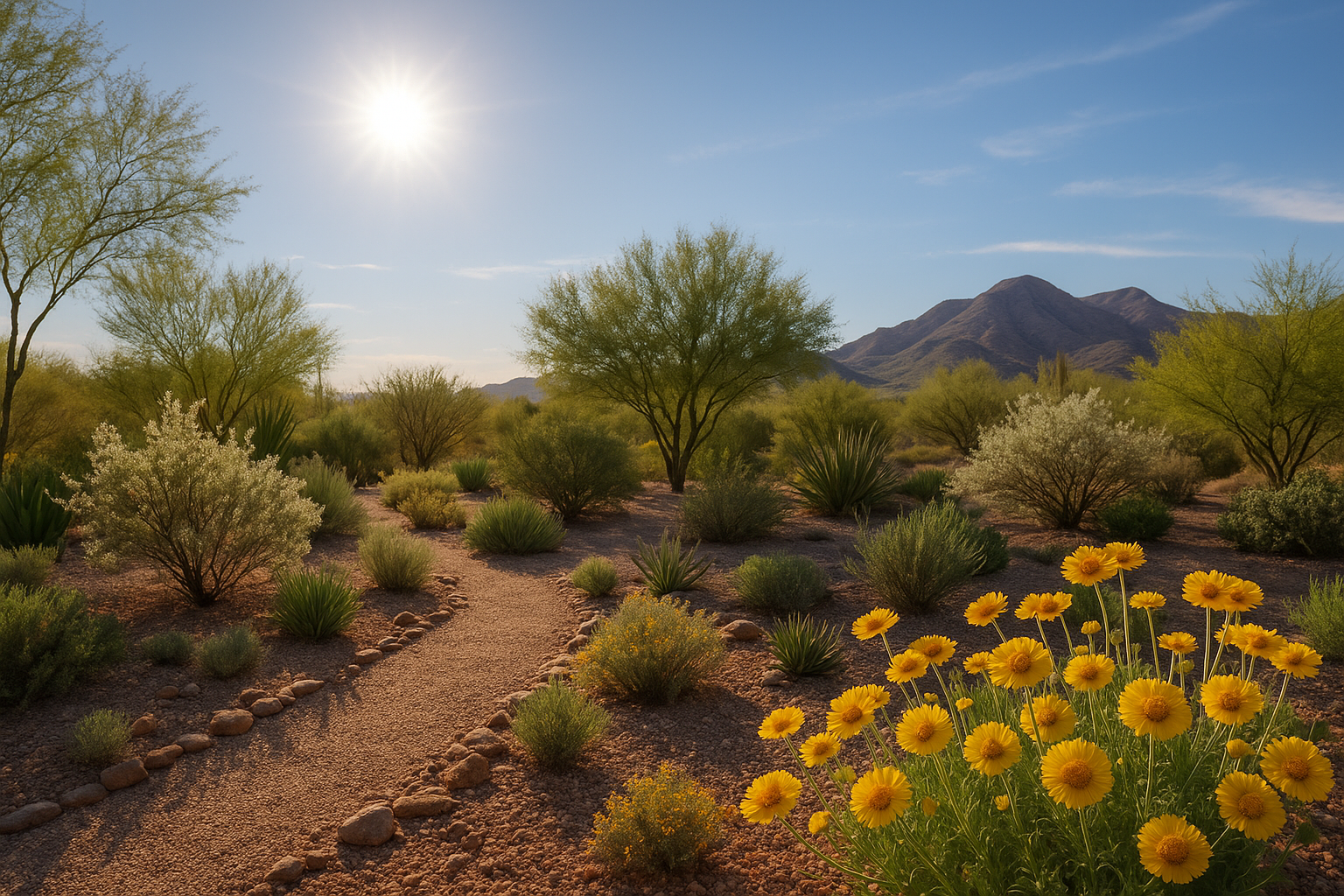
- Desert marigolds (Baileya multiradiata)
- Palo verde trees (Parkinsonia spp.)
- Creosote bush (Larrea tridentata)
- Apache plume (Fallugia paradoxa)
These plants require minimal care once established and add color and texture to the landscape.
Productive Edibles for the Region
Many vegetables can thrive in the Southwest if chosen and timed carefully. Heat-tolerant and quick-growing varieties are best.
Top edible options:
- Tomatoes and peppers from the nightshade family
- Squash, cucumbers, and melons
- Mediterranean herbs like rosemary, thyme, oregano, and sage
These plants often do well with morning sun and some afternoon shade, especially in lower elevations.
Fast-Maturing and Resilient Varieties
Given the short windows before extreme heat sets in, fast-growing crops are ideal. Look for varieties that mature in 30 to 90 days to maximize harvests.
Examples include:
- Bush beans
- Summer squash
- Cherry tomatoes
- Radishes and arugula
Fast-maturing crops allow for multiple planting cycles throughout the year.
Seasonal Planting Strategies
Timing is everything when it comes to gardening in the Southwest. The region’s unique combination of elevation and temperature means that planting schedules vary widely.
Spring and Summer Cycles
Spring is the most active planting season across much of the Southwest. March is ideal for transplanting warm-season vegetables and starting seeds indoors for early summer harvests.
Tips for spring and summer:
- Start seeds indoors 4–6 weeks before the last frost
- Transplant early in the morning or on cloudy days to reduce transplant shock
- Use shade cloths and mulch to protect plants from afternoon heat
In lower elevations, gardeners can sometimes grow two full cycles of summer crops.
Fall and Winter Considerations
Higher elevations and desert areas with mild winters can support cool-season crops like leafy greens, carrots, and brassicas.
Fall and winter gardening tips:
- Plant in September or October for a winter harvest
- Use row covers to extend the season and protect from frost
- Choose frost-tolerant varieties for higher elevations
This allows for nearly year-round gardening in many parts of the Southwest.
Shade and Microclimate Management
Creating microclimates can help extend growing seasons and protect sensitive plants. Shade structures, windbreaks, and reflective mulch can all influence the temperature and moisture levels around your plants.
Effective strategies:
- Use 30–50% shade cloth for sensitive crops
- Plant taller species to shield smaller ones from wind and sun
- Place heat-loving plants near walls or stones to benefit from reflected warmth
Microclimate management can make a big difference in plant health and yield.
Traditional and Cultural Gardening Practices
The Southwest has a rich agricultural history that continues to inform modern gardening techniques. Indigenous practices, in particular, offer sustainable solutions for working with limited water and poor soil.
Indigenous Methods and Water Conservation
Indigenous peoples like the Zuni developed techniques like waffle gardens, which are small, grid-like basins surrounded by berms. These structures conserve water and protect plants from wind.
Other time-tested methods include:
- Rock mulches to reduce evaporation
- Terraced planting (trincheras) to slow runoff
- Floodplain farming to take advantage of seasonal water flows
These techniques remain relevant for today’s water-conscious gardeners.
Companion Planting Techniques
Companion planting is another traditional method that continues to prove effective in the Southwest. The classic “Three Sisters” combination of corn, beans, and squash is a prime example.
Benefits of companion planting:
- Beans fix nitrogen in the soil for corn
- Corn provides vertical support for climbing beans
- Squash shades the ground to reduce weeds and retain moisture
Other effective pairings include basil with tomatoes, and marigolds with most vegetables to deter pests.
Overcoming Common Challenges
Managing Heat and Drought Stress
To help plants cope with extreme conditions:
- Choose drought-tolerant and heat-resistant species
- Water deeply and infrequently to encourage deep root systems
- Use shade cloths and mulch to reduce soil temperature
Scheduling irrigation during early morning hours can also reduce water loss.
Improving Soil and Fertility
Long-term soil improvement involves:
- Continual composting and mulching
- Rotating crops to avoid nutrient depletion
- Using cover crops to build organic matter between planting seasons
Healthy soil supports stronger, more resilient plants.
Adapting to Climate Change
As hardiness zones shift, gardeners must stay flexible. This means:
- Testing new plant varieties suited for warmer conditions
- Adjusting planting dates based on seasonal trends
- Watching for new pests and diseases that may migrate into the area
Staying informed helps gardeners stay ahead of these changes.
Getting Local Help and Resources
Gardening Communities and Classes
Groups like Native Seeds/SEARCH offer regional seed banks, educational programs, and workshops. Local university extension services also provide free classes and plant clinics.
These resources help with:
- Region-specific planting calendars
- Pest and disease identification
- Sustainable garden design
Specialty Nurseries and Seed Suppliers
Look for nurseries that specialize in native and drought-adapted plants. These suppliers often carry seeds and starts that perform better in local conditions.
Recommended sources:
- Native Seeds/SEARCH
- Local cooperative extensions
- Regional plant societies
Using locally acclimated plants increases your chances of success.
The Southwest Gardener Team
The Southwest Gardener Team has spent years helping homeowners create beautiful, water-wise gardens tailored to the region’s unique climate. Whether you’re building a new landscape or improving an existing one, our team offers personalized advice, design services, and hands-on support to help your garden thrive.
Start Growing with Confidence
Gardening in the Southwest requires thoughtful planning and the right tools, but it can be incredibly rewarding. By understanding the region’s climate, improving your soil, conserving water, and choosing the right plants, you can create a garden that’s both productive and sustainable. With guidance from the Southwest Gardener Team and a blend of traditional and modern techniques, your yard can become a thriving desert oasis.